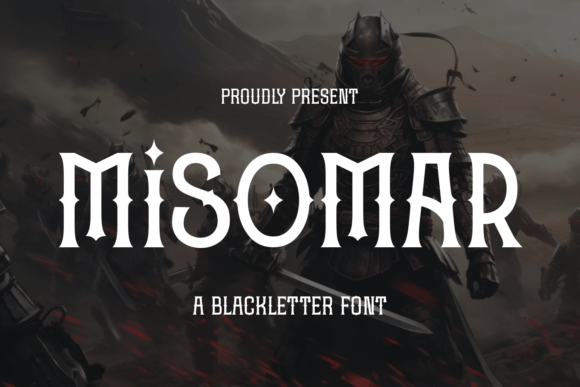
Misomar: Crafting Heritage with a Modern Edge
The Anatomy of a Bold Blackletter Typeface
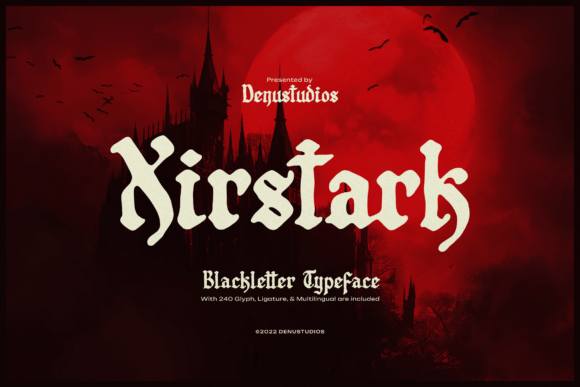
In the vast landscape of modern typography, finding a typeface that bridges the gap between historical gravitas and contemporary utility can be a challenge. Enter Misomar. At first glance, it is unmistakably a blackletter font, characterized by its dense, black textures and vertical stress. However, a closer look reveals a design philosophy that prioritizes elegance and legibility over the chaotic flourishes of the past. Misomar features sharp, pointed serifs and intricate, flowing letterforms that evoke a sense of medieval craftsmanship, yet it retains a clean structure that makes it viable for today’s digital and print requirements.
For the uninitiated, blackletter fonts can sometimes feel intimidating or overly "heavy." Misomar defies this stereotype through its dramatic strokes and deliberate spacing. It is not merely a novelty item for Halloween flyers; it is a serious design asset. The typeface commands attention, making it an ideal choice for projects that require a strong visual hierarchy. Whether you are a graphic designer looking for a signature header font or a small business owner developing a distinct brand identity, Misomar offers a visual personality that is both authoritative and artistic. It carries the weight of history without the clutter of the past.
Strategic Applications in Branding and Marketing
When considering a creative font like Misomar, the key is to understand its strengths in context. Because of its intricate details and bold presence, Misomar shines brightest as a display font. It is the perfect candidate for headlines, logos, and hero images where you need to make an immediate impact. In the realm of logo design, using Misomar can instantly communicate tradition, luxury, or durability. It works exceptionally well for brands in the beverage industry, artisanal goods, outdoor apparel, or any service that prides itself on heritage and reliability.
However, using a premium font like Misomar requires a strategic approach to visual hierarchy. It is rarely a good idea to set long blocks of body copy in a blackletter typeface; the eye fatigue would be real. Instead, use Misomar to create contrast. Pair it with a clean, geometric sans serif font for your subheadings and body text. This pairing allows the dramatic strokes of Misomar to grab attention while the sans serif ensures the message is delivered smoothly. For packaging design, this combination is gold. Imagine a coffee bag or a craft beer label where the brand name is stamped in Misomar, followed by a crisp, modern description of the flavor profile. The result is a product that looks premium and established.
Beyond physical products, Misomar has significant value in editorial design and publishing. Book covers for fantasy, thriller, or historical fiction genres often rely on blackletter aesthetics to set the mood. Misomar fits this niche perfectly, offering a refined, traditional touch that signals the genre to potential readers. Similarly, magazine feature headers can use Misomar to break the monotony of standard serif and sans serif layouts, drawing the reader's eye to specific stories. It is a versatile tool for content creators who want to add a layer of sophistication to their layouts without resorting to generic stock choices.
Digital Presence and Social Media Engagement
In the age of endless scrolling, stopping the thumb is the primary goal of social media graphics. This is where Misomar proves its worth in the digital space. While it is a traditional typeface, its application in web design and social media is surprisingly modern. Using Misomar for Instagram story headers, YouTube thumbnails, or Pinterest pins can significantly boost engagement. The high contrast and distinct silhouette of the letters create a "pattern interrupt" that compels users to pause and read.
For bloggers and marketers, incorporating Misomar into your brand assets can help build brand recognition. Consistency is key in digital marketing. If you use a specific style of Misomar for your weekly newsletter headers or podcast cover art, your audience will begin to associate that visual style with your content. It creates a subconscious link between the aesthetic and the value you provide. It is worth noting that when using Misomar for web design, you should pay close attention to color contrast. Because the strokes are bold and dramatic, dark-on-dark combinations can muddy the details. Pairing the font with high-contrast backgrounds—such as white text on a dark charcoal background or vice versa—ensures that the intricate letterforms remain legible and impactful.
Practical Considerations for Designers and Creators
Adopting a new typeface into your workflow involves more than just liking the way it looks; it requires practical evaluation. For designers, entrepreneurs, and hobbyists, here are a few considerations when working with Misomar.
First, evaluate the font pairing. As mentioned, Misomar pairs best with understated fonts. A script font or a handwritten font might compete for attention, leading to a chaotic design. A sturdy serif font can work for a classic look, but a neutral sans serif font usually offers the best modern contrast. Test these pairings early in your design process to ensure the visual weight is balanced.
Second, consider the licensing and file formats. As a commercial font, you must ensure you have the correct license for your specific use case—whether it is for a client's merchandise, a personal blog, or a mass-market print run. Check the included styles; does the font family include multiple weights or decorative alternates? Having access to stylistic sets can give you more flexibility in customizing the look of the text, allowing you to swap out certain characters to better fit your specific layout needs.
Finally, test for readability at scale. Misomar