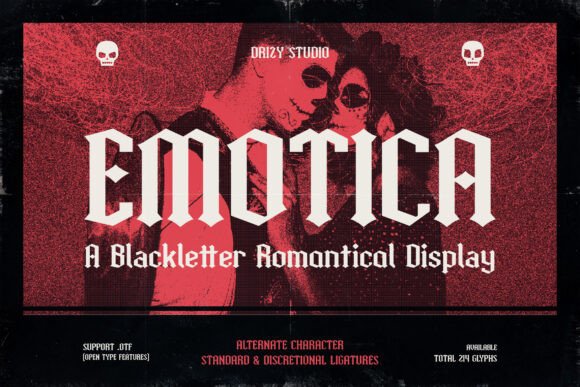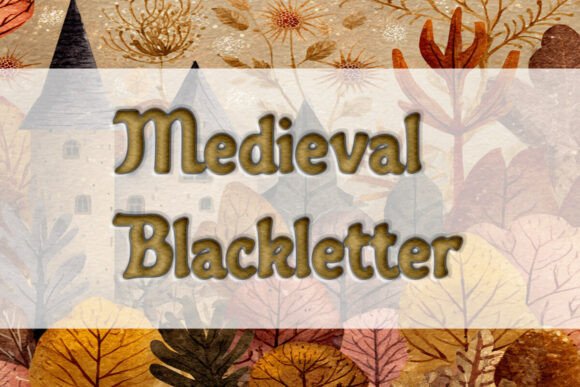
Medieval Blackletter: A Timeless Statement for Modern Design
There's a particular weight and presence to Medieval Blackletter that immediately commands attention. It’s a typeface family that doesn't just sit on a page; it occupies space with an authority born of centuries. This isn't the friendly sans serif of a modern app or the elegant script of a wedding invitation. This is a premium font rooted in history, carrying the visual DNA of illuminated manuscripts, royal decrees, and the very dawn of the printed word. For designers and creators looking to inject a sense of heritage, gravitas, or mythical intrigue into their work, understanding how to wield this powerful creative font is essential.
Understanding the Character of Blackletter
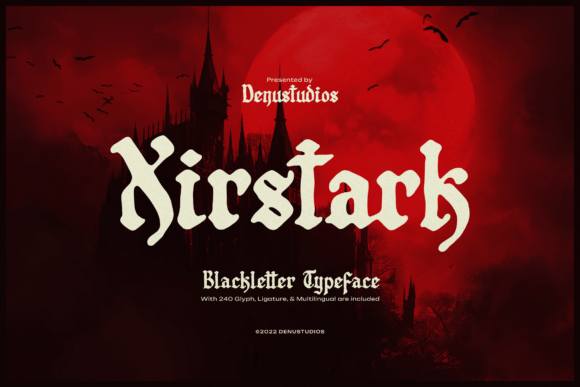
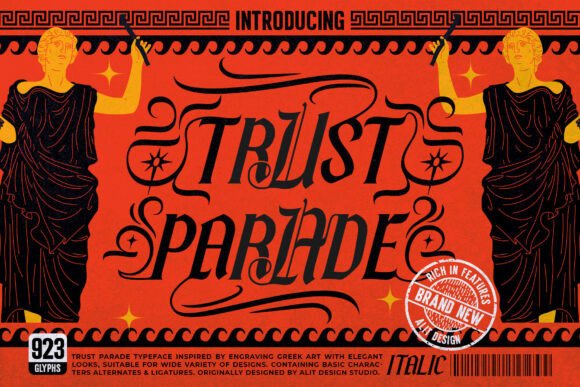
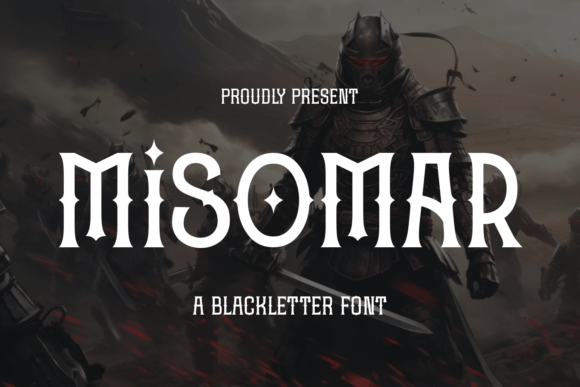
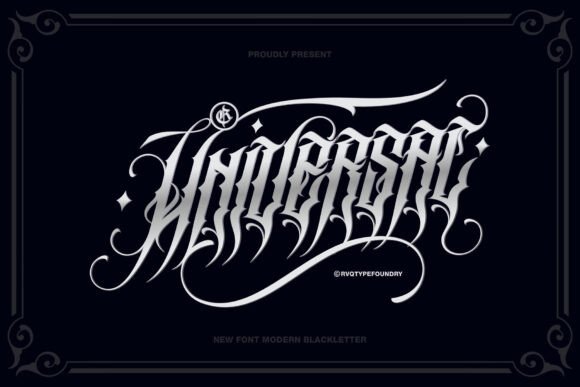
At its core, Medieval Blackletter is a display font category characterized by its dense, angular, and often ornamental strokes. Think of the bold, intricate letters in a medieval codex or the stark inscriptions on a castle wall. The style is defined by sharp verticals and a compact, vertical stress, creating a texture that is both beautiful and intense. It’s important to recognize this as a serif font family, but one where the serifs are often integrated into the complex letterforms rather than being simple, added feet. This gives it a unique silhouette that stands apart from traditional Roman serifs or contemporary sans serif font designs.
The personality of this typeface is unmistakable. It evokes a sense of tradition, formality, and sometimes a touch of the dramatic or arcane. When you choose a Medieval Blackletter font, you’re making a deliberate stylistic choice. It tells a story of craftsmanship and age, making it perfect for projects that aim to convey authenticity, depth, or a connection to the past. However, its strength is also its constraint. The very features that give it such a powerful presence—the intricate details and dense forms—can impact readability at smaller sizes or in long blocks of text. This is why it’s almost exclusively used as a display font, for headlines, logos, and short, impactful phrases where its visual impact can be fully appreciated.
Strategic Applications: Where This Typeface Shines
The true value of a Medieval Blackletter font is revealed in its application across various mediums. Its versatility lies not in fitting everywhere, but in elevating specific types of projects with its distinct character. Let’s explore where this gothic-inspired style can make a real difference.
- Branding and Logo Design: For brands in the craft beer, artisanal spirits, bespoke tailoring, or heritage goods sectors, a Blackletter typeface can form the cornerstone of a powerful brand identity. It immediately communicates quality, tradition, and a hands-on approach. A logo using this creative font will be distinctive and memorable, setting a business apart from competitors using more generic modern typography.
- Editorial and Packaging Design: In editorial design, a Blackletter can create stunning drop caps or chapter titles that give a book, magazine, or album cover a sense of weight and importance. Similarly, in packaging design, it can transform a product label into a piece of art, suggesting premium ingredients or a rich history. It’s a fantastic tool for making a physical product feel more valuable and considered.
- Apparel and Physical Goods: The style translates exceptionally well to physical goods where texture and bold graphics are key. T-shirts, hats, patches, and stickers using a Blackletter design have a timeless, streetwear-meets-heritage appeal. The high-contrast strokes ensure the design looks crisp and impactful, whether screen-printed or embroidered.
- Digital and Social Media Graphics: In the digital realm, this display font is a secret weapon for creating standout content. A YouTube thumbnail, an Instagram story header, or a podcast cover using a bold Blackletter instantly signals a specific genre or mood. It cuts through the visual noise of a social feed, promising content with depth and substance. Paired correctly, it can make your social media graphics appear more professional and intentional.
Practical Guidance for Designers and Creators
Integrating a Medieval Blackletter font into your toolkit requires a thoughtful approach. It’s not a set-it-and-forget-it design asset. Here’s how to use it effectively.
First, always consider font pairing. Because Blackletter is so dominant, it rarely works well when paired with another highly decorative typeface like a script font or a complex handwritten font. The best partners are often clean, simple, and understated. A classic sans serif font or a straightforward, readable serif font for body text will provide the perfect contrast, allowing the Blackletter headline to shine without overwhelming the viewer. This balance is crucial for maintaining a clear visual hierarchy and ensuring your overall message is communicated effectively.
Next, evaluate the specific project’s needs. Is the primary goal to evoke a specific historical period, or is it to create a bold, contemporary statement? Some Blackletter styles are more historically accurate, while others are modern interpretations that simplify the letterforms for greater clarity. Always test the font in context. View it at the size it will be used, and consider the background color and surrounding elements. A dark Blackletter on a dark background will lose all its impact.
Finally, pay close attention to the technical details of the commercial font you choose. A high-quality typeface will often include multiple stylistic sets, alternate characters, and even ligatures that allow for more customized and authentic-looking typography. Review the character map thoroughly. Furthermore, if you plan to use the font for client work, merchandise, or digital products like SVG files, ensure the licensing permits commercial use. This is a non-negotiable step for any professional design assets.
Ultimately, a Medieval Blackletter font is more than just a collection of letters. It’s a mood, a statement, and a direct link to a rich visual history. Used with intention and an understanding of its strengths, it can elevate your designs from merely functional to truly memorable, giving your brand identity, publications, or personal projects an unmistakable and powerful voice.