Gastonia Calligraphy: Your Go-To for Warm, Friendly Design
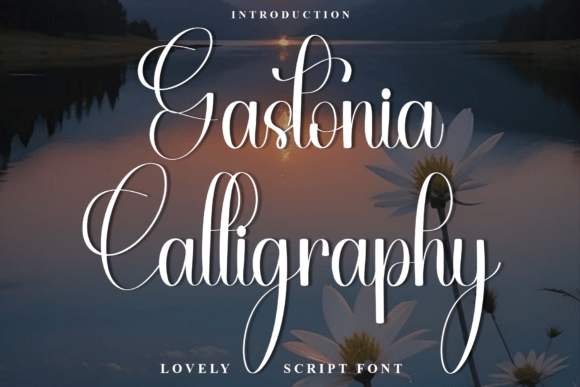
Finding a typeface that feels genuinely approachable can be a challenge. Too often, script fonts can veer into illegibility or feel overly formal. Gastonia Calligraphy strikes a different balance. This creative font is built on a foundation of round, playful strokes that immediately convey warmth and friendliness. It’s the kind of handwritten font that feels less like a distant calligrapher and more like a note from a friend—relaxed, inviting, and full of personality. Its hand-drawn aesthetic isn’t trying to be perfect; it’s aiming for connection, making it a powerful asset for projects where human touch matters.
Where Gastonia Calligraphy Truly Shines
The real test of any design asset is its application. Gastonia Calligraphy excels in contexts where a personal, creative touch is desired. Think about the last time you received a beautifully crafted wedding invitation or a boutique product label that made you smile. That’s the territory this font inhabits. Its charm makes it a natural fit for logo design for artisan brands, bakeries, or lifestyle blogs where an approachable brand identity is key. It brings a fun, unique touch to social media graphics, helping posts stand out in a crowded feed with a cohesive and friendly voice.
Beyond digital spaces, its strengths translate well into print. For editorial design, consider using it for pull quotes, article titles in a magazine, or chapter headings in a cookbook to add a human element. In packaging design, it can highlight product names or key phrases on labels for cosmetics, gourmet foods, or craft goods, telling a story of care and creativity. As a premium font, it’s equipped with standard PUA Encoded glyphs, ensuring seamless integration into your workflow whether you’re using Adobe Photoshop, Illustrator, Canva, or CorelDRAW. This technical reliability is just as important as its visual appeal.
Making It Work: Practical Tips for Using This Font
Choosing the right font is about more than just liking how it looks. It’s about fit. Before committing to Gastonia Calligraphy for a project, ask yourself: does the personality of this typeface align with the message? Its casual, friendly vibe is perfect for a children’s party invitation but might feel out of place on a corporate law firm’s annual report. This is the first step in evaluating project fit. Next, consider the visual hierarchy. As a display font or script font, it’s designed for impact at larger sizes—use it for headlines, subheads, or accent text. Body copy, especially in long-form web design or print, will almost always be more readable in a clean serif font or sans serif font.
This leads to the crucial practice of font pairing. Gastonia Calligraphy pairs beautifully with simple, geometric sans serifs that provide a clean counterpoint to its organic flow. A pairing with a neutral serif can also work well, creating a balance between traditional elegance and modern friendliness. Always test your pairings in context. View your headline set in Gastonia Calligraphy next to your body text at actual size. Check the readability of the script letters, particularly for longer words or in smaller digital sizes. Its round forms aid legibility, but context is everything.
Finally, understand what you’re getting. Review the included styles and character sets. Does it have the numerals and punctuation you need? If your project has commercial applications—like selling merchandise or using it in client work—ensure you are clear on the commercial font licensing terms. Using a creative font like this correctly means respecting its design and its license. By taking these practical steps, you move beyond simply using a font to strategically deploying a typeface that can enhance audience engagement, build brand recognition, and add a layer of professionalism through thoughtful, human-centric design.