Spring Flower: A Fresh Font for Seasonal Designs
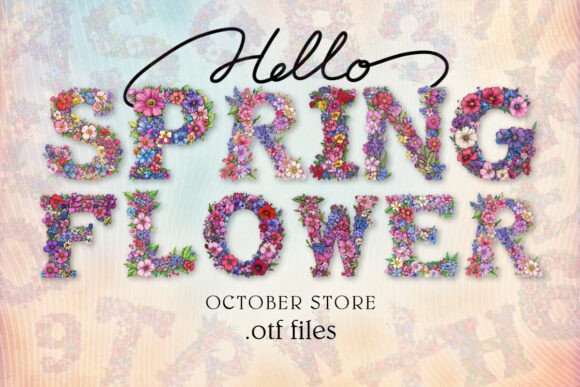
There's a particular energy that arrives with spring—a sense of renewal, color, and organic growth that many of us try to capture in our creative work. The Spring Flower alphabet is a premium font designed to channel that exact feeling. It's not just a typeface; it's a collection of floral emblems, where each of the 26 letters and 10 numbers is individually adorned with vibrant, season-inspired blooms. This is a display font at its core, built for headlines, logos, and moments where you need maximum visual impact and a dose of natural charm.
Understanding the Character of This Creative Font
Visually, Spring Flower operates in a unique space. It blends the legibility of a structured serif font or sans serif font with the decorative flourish of a script font. Each character is a miniature illustration, featuring flowers that are integrated into the letterform itself rather than simply placed on top. The result is a cohesive yet lively typeface that feels celebratory and fresh. Its personality is optimistic, artistic, and unmistakably seasonal. This isn't a handwritten font for casual notes; it's a bold statement piece for logo design, packaging design, and editorial design where a natural, artisanal quality is desired.
As a color font (specifically an OpenType-SVG format), it preserves the intricate floral details and multi-color aspects right within the font file. This is a significant technical consideration. It means the font is compatible with professional design software like Adobe Photoshop and Illustrator, as well as cutting machines like Silhouette. However, it's important to note that this format is not compatible with Cricut machines. For crafters and designers using that platform, this is a crucial factor in your workflow. Always check the included files (OTF/TTF) and software compatibility before committing to a commercial font purchase for a specific project.
Where This Floral Typeface Truly Shines
The strength of Spring Flower lies in targeted application. Using it for body copy would be impractical and taxing on the reader. Instead, think of it as your secret weapon for specific, high-visibility tasks. In brand identity, it can define a florist, a botanical garden, a spring-themed event, or an organic beauty brand. For a logo design, a carefully kerned word in this font can become an instant and memorable mark. In marketing, it's perfect for social media graphics promoting a seasonal sale, email headers for a spring collection, or the title of a blog post about gardening or renewal.
For publishers and content creators, consider it for book covers in the romance or contemporary fiction genres, magazine feature headlines, or the title card of a video about DIY projects. In packaging design, it can elevate labels for artisanal foods, handmade soaps, or gift boxes, conveying a sense of care and natural ingredients. The key is to use it as a focal point, paired with more neutral font pairings for supporting text. A clean sans serif font like Montserrat or a classic serif font like Garamond can provide excellent contrast and ensure your message remains readable.
Practical Guidance for Implementation
Before diving in, evaluate your project's fit. Does the theme align with spring, nature, growth, or artisanal craft? If the answer is yes, proceed. Next, test it. Don't just type a single letter; set a full word or phrase to see how the characters interact. Pay close attention to kerning (the spacing between letters), as decorative fonts often require manual adjustment. The visual hierarchy it creates is immediate—the headline set in Spring Flower will command attention, allowing your subheadings and body text to play a supporting role.
From a brand perception standpoint, this font communicates creativity, attention to detail, and a connection to the natural world. It can make a small business feel more personal and a marketing campaign feel more vibrant. However, consistency is vital. Use it sparingly and strategically across your design assets to build recognition without overwhelming your audience. For web design, remember that color fonts may not render consistently across all browsers, so it's safest used in graphics or within design software for print or image-based digital content.
Ultimately, the Spring Flower alphabet is a specialized tool in your modern typography toolkit. It's not a workhorse for long-form text, but for the right project, it's a powerful asset that injects life, color, and a unmistakable seasonal spirit into your work. By understanding its strengths, technical requirements, and ideal applications, you can harness its beauty to create designs that truly resonate with the refreshing energy of spring.