Movie Cover Font: The Bold Choice for Cinematic Impact
A Typeface That Commands the Spotlight
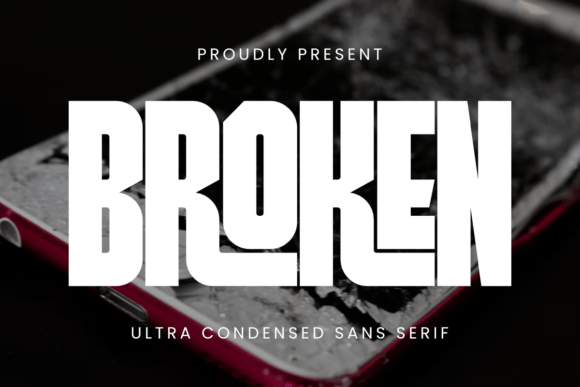
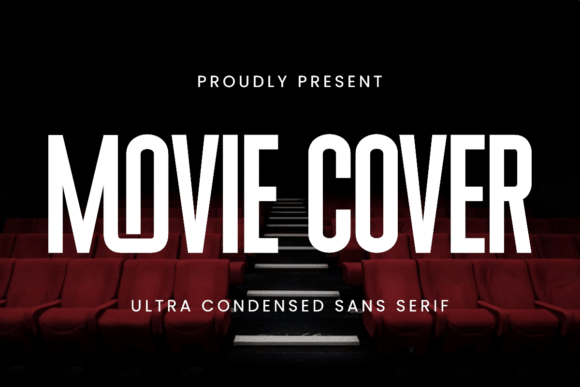
In a world saturated with visual noise, your message needs to cut through with immediate, undeniable presence. Movie Cover is a premium display font engineered for exactly that moment. It’s an ultra condensed sans serif, meaning its letters are tall, narrow, and built with a sleek, dramatic flair. Think of the stark, powerful typography on a blockbuster film poster or the gripping title card of a thriller—it’s designed to grab attention and hold it. This isn't a typeface for body text; it's your headline act, your main event, your brand's bold first impression.
The personality of Movie Cover is confident, modern, and slightly edgy. Its geometric letterforms have a clean, technical precision that feels contemporary, while the extreme condensation creates a sense of urgency and vertical strength. This combination makes it incredibly versatile for projects that need to feel both cutting-edge and authoritative. It’s the kind of creative font that doesn’t just display words—it frames them as an event.
Where This Font Truly Shines: Practical Applications
Understanding where a typeface works best is key to using it effectively. Movie Cover excels in scenarios where space is at a premium but impact cannot be sacrificed.
- Editorial & Publishing Design: It’s a powerhouse for magazine covers, chapter headings in books, and promotional banners for new releases. Its condensed nature allows you to stack lines of text vertically, creating a dynamic layout that fits more information without feeling cramped. This is a huge advantage in editorial design where real estate is valuable.
- Digital & Web Design: For streaming thumbnails, website hero sections, and social media graphics, Movie Cover is a game-changer. A bold headline in this typeface on a YouTube thumbnail or an Instagram story stops the scroll. In web design, it can be used for impactful section headers or featured product titles, guiding the user’s eye with clear visual hierarchy.
- Branding & Logo Design: If your brand identity aims to be sleek, powerful, and contemporary, this font can serve as a strong foundation for a logo or a core brand typeface. It works particularly well for tech companies, fitness brands, entertainment venues, or any service that wants to project strength and efficiency. Pair it with a clean sans serif or a simple serif font for body copy to create a balanced system.
- Marketing & Advertising: From movie posters and festival graphics to advertising campaigns for product launches, its dramatic letterforms make it ideal for any medium that needs to communicate quickly and powerfully. Think event posters, book covers, or even packaging design for a bold product line.
Making It Work: Guidance for Designers and Creators
Adopting a new display font like Movie Cover is an exciting step, but a thoughtful approach ensures it enhances your project rather than overwhelms it.
Evaluating Fit and Readability
First, consider the project's tone. Is it meant to be serious, futuristic, high-energy, or luxurious? Movie Cover leans into the first three. While it can be styled for luxury, its core personality is more technical and bold. Always test the font in context. Type out your actual headline or key message. Does the word or phrase maintain legibility at the intended size? The condensed style is excellent for impact, but very long words might require careful kerning adjustments or a different layout approach.
Mastering Font Pairing
The real magic often happens in the pairing. As a strong sans serif font, Movie Cover provides a fantastic anchor. For a harmonious yet contrasting combination, pair it with a classic, readable serif font for body text—this creates a timeless modern typography dynamic. For a more unified, tech-forward look, use a simpler, wider sans serif for descriptions. A script font or handwritten font can be used sparingly for a touch of personal flair, but let Movie Cover remain the dominant voice. The goal is to create a clear font pairing where each typeface has a distinct role.
Leveraging Included Styles
Many premium fonts come with multiple weights or styles. Explore what’s included with your Movie Cover license. Does it have a light, regular, and bold version? This allows you to create subtle variations in your typographic hierarchy without introducing another font. For example, you might use the bold version for a main headline and the regular version for a subhead, maintaining consistency while adding depth.
Licensing for Commercial Use
This is a critical, often overlooked step. Movie Cover is a commercial font. Before using it in any professional project—whether for a client, for your business, or for sale—ensure you have the correct license. A desktop license typically covers use in logos, printed materials, and static images. If you plan to embed the font in a mobile app, website, or software, you’ll likely need a webfont or app license. Always review the license agreement from the foundry or distributor to ensure your use is compliant. This protects both you and the font creator.
In the end, a typeface is a tool. Movie Cover is a specialized, high-impact tool designed for moments that demand attention. Used with intention, it can elevate your design assets, strengthen your brand identity, and ensure your message isn’t just seen, but remembered. It’s about giving your words the stage they deserve.