Bringing Warmth to Your Projects with Coutalline
There’s a particular kind of visual magic that happens when a design feels personal. It’s the difference between a generic corporate statement and a handwritten note from a friend, between a mass-produced label and something crafted with care. In the world of digital design, where precision often rules, achieving that human touch can be a challenge. This is where a thoughtfully crafted script font like Coutalline enters the conversation, offering a bridge between professional polish and authentic personality.
The Anatomy of a Flowing Script
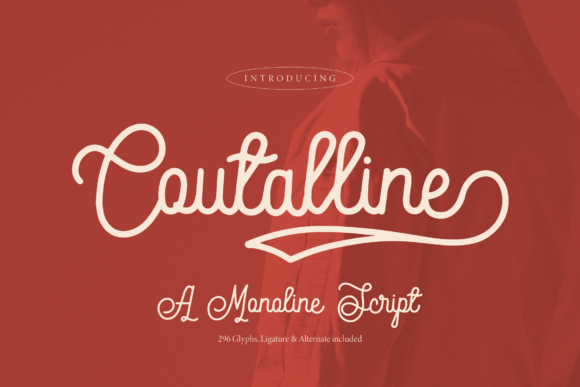
At its core, Coutalline is a single-line script font. This means each letterform is constructed from a continuous, smooth stroke, mimicking the natural flow of a pen or brush held at a consistent angle. The result is a typeface that feels both elegant and approachable. It avoids the overly ornate flourishes of traditional calligraphy or the rough, gritty texture of some handwritten fonts. Instead, it presents a clean, fluid baseline with gentle, rhythmic connections between letters. The letter spacing is typically generous, allowing each character to breathe and preventing the dense, cramped look that can make script fonts difficult to read in longer passages.
The personality of Coutalline is decidedly modern and stylish. It carries a sense of relaxed confidence—friendly enough for a boutique’s branding, yet sophisticated enough for a wedding invitation. It’s the kind of creative font that doesn’t shout for attention but rather draws the viewer in with its quiet charm. Its appeal lies in this versatility; it can be dressed up for formal applications or dressed down for casual, everyday use. As a premium font, it often includes thoughtful details like alternate characters and ligatures, giving designers subtle tools to customize the flow and avoid repetitive, machine-like patterns.
Where Coutalline Finds Its Voice
Understanding a font’s visual character is one thing; knowing where to deploy it is the practical art of design. Coutalline’s strength is its ability to inject warmth and a human element into a wide array of projects. In logo design, it excels for brands that want to convey creativity, personal service, or artisanal quality. Think of a local coffee roaster, a handmade jewelry shop, a wellness coach, or a boutique creative agency. Paired with a clean sans serif font for body text, it creates a brand identity that feels both professional and personable.
Beyond logos, its applications are extensive:
- Invitations and Stationery: This is a natural home for a script font. Wedding suites, party invitations, and personal thank-you cards gain an immediate sense of elegance and intention. The font’s readability at headline sizes makes it ideal for names, dates, and key phrases.
- Packaging Design: For products on a shelf, Coutalline can highlight product names, flavor descriptions, or brand slogans on labels, boxes, and bags. It helps a product stand out from competitors using standard, impersonal typefaces.
- Editorial and Publishing: In editorial design, it’s a powerful tool for pull quotes, chapter titles, or section headers in magazines, blogs, and books. It provides a visual break from body copy and draws the reader’s eye to important statements.
- Digital and Social Media: For web design, it can be used sparingly for key headlines or call-to-action buttons to add personality. On social media graphics, it’s perfect for creating eye-catching quote images, story backgrounds, or promotional banners that feel more authentic than a standard block of text.
The Strategic Impact of a Thoughtful Typeface
Choosing a font is never just an aesthetic decision; it’s a strategic one that influences how your audience perceives and interacts with your work. The right typeface does more than look good—it shapes experience.
Visual Hierarchy and Readability: A font like Coutalline is primarily a display font. Its greatest impact is in headlines, logos, and short bursts of text where its personality can shine without compromising clarity. Using it for a full paragraph of body copy would likely hurt readability. The key is to use it as an accent, pairing it with a highly legible serif font or sans serif font for longer text. This pairing creates a clear hierarchy: the script font captures interest and sets the tone, while the companion font delivers the detailed information comfortably.
Brand Perception and Recognition: Consistency in using a font like Coutalline across touchpoints—from your website header to your Instagram stories to your business cards—builds a cohesive brand identity. It becomes a recognizable element of your visual language. The warmth and approachability of the font can make a brand feel more trustworthy and relatable, which is invaluable for service-based businesses, creators, and small enterprises looking to build a community.
Audience Engagement: A design that feels personal invites engagement. A social media post framed with Coutalline might encourage more comments and shares because it feels less like an advertisement and more like a message. In publishing, a pull quote set in this font can emphasize a key idea, making it more memorable and shareable for readers.
Practical Guidance for Working with Coutalline
Integrating any new design asset into your workflow requires a bit of practical evaluation. Here’s how to approach Coutalline:
- Evaluate the Project Fit: Before you even look at the font, define your project’s core message. Is it serious and corporate, or friendly and creative? Coutalline leans toward the latter. It’s perfect for projects aiming for a modern, stylish, and human-centric feel.
- Test Font Pairings: Don’t use it in isolation. Pair it with a few different options. Try it with a geometric sans serif font like Montserrat for a clean, contemporary look, or with a transitional serif font like Georgia for a more classic, balanced feel. The contrast is what creates visual interest and ensures readability.
- Review the Included Styles: Many premium fonts come with more than just the basic alphabet. Check if Coutalline includes stylistic alternates, ligatures, or different weight variations. These features allow you to fine-tune the text, making it look more like custom lettering and less like a generic font installation.
- Conduct a Readability Check: Always test the font at the size and in the context where it will be used. A phrase that looks beautiful in a design mockup might be illegible when embroidered on a shirt or viewed on a small mobile screen. Ensure the letter connections are clear and the x-height is sufficient for your application.
- Understand the Licensing: If you’re using Coutalline for commercial projects—client work, products for sale, or monetized content—ensure you have the correct commercial license. This is a standard part of professional practice and respects the work of the type designer.
In the end, fonts like Coutalline are more than just design assets