Motherline: A Vintage Font Set for Authentic Design
Every so often, a typeface comes along that feels less like a digital tool and more like a discovered artifact. Motherline, a vintage font set from the Letterhend foundry, is one of those designs. It doesn’t just sit on the page; it tells a story. For designers, marketers, and creators looking to inject a sense of history, warmth, and handcrafted authenticity into their work, this collection offers a compelling and versatile starting point. It’s a premium font set that understands its purpose: to evoke nostalgia while remaining perfectly functional for modern projects.
Anatomy of a Nostalgic Typeface
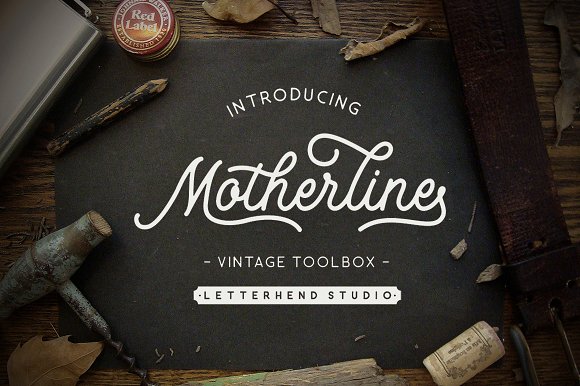
Motherline is best described as a vintage font with a distinct personality. Its visual character draws from mid-20th-century lettering, think old signage, classic advertisements, and the elegant scripts of a bygone era. The letterforms have a gentle, slightly worn quality, suggesting they were pressed by hand rather than generated by a machine. This subtle imperfection is key to its charm; it feels human and approachable.
The set includes 6 unique fonts, providing a robust toolkit for varied applications. You’ll typically find a primary serif font with strong, sturdy letterforms perfect for headlines and a complementary sans serif font that offers clean readability. The true stars, however, are the script font and handwritten font variants. These styles flow with a natural, connected elegance, ideal for adding a personal touch. The collection often includes decorative alternates and stylistic sets, allowing for creative flourishes that prevent the typeface from feeling static or repetitive.
Where This Creative Font Truly Shines
Understanding where a typeface works best is crucial. Motherline’s vintage aesthetic makes it a natural fit for projects where brand perception and emotional connection are paramount.
Branding and Logo Design
For logo design, especially for brands in the artisanal, boutique, or heritage spaces, Motherline can be transformative. A coffee roaster, a craft brewery, a independent bookstore, or a bespoke tailor could build a entire brand identity around its warmth. The script font variant makes for a distinctive logotype, while the serif and sans serif versions can support it in body copy, ensuring brand consistency across all touchpoints.
Editorial and Packaging Design
In editorial design, such as for magazines, lookbooks, or book covers, the typeface adds instant visual hierarchy and character. It commands attention in a pull quote or chapter title. For packaging design, it’s a powerhouse. Imagine it on a label for artisanal jams, a coffee bag, or a cosmetic product. The font communicates quality, tradition, and care before the customer even reads a word, directly influencing brand perception.
Digital Presence and Marketing
Don’t mistake vintage for obsolete. When used thoughtfully, Motherline performs beautifully in web design and social media graphics. It can set a blog apart, give a newsletter a distinctive voice, or make Instagram posts and Pinterest pins more shareable. The key is strategic use—employing the display font styles for headlines and hero text, while pairing it with a highly legible sans serif font for body text to maintain readability on screens.
Personal and Commercial Projects
Beyond client work, this creative font set is a joy for personal projects. It’s perfect for crafting wedding invitations, greeting cards, or personalized stationery. For small business owners creating their own marketing materials, it provides a level of professionalism and aesthetic depth that generic fonts cannot match, helping to build audience engagement through visual appeal.
Practical Guidance for Using Motherline
Adopting any new typeface requires a bit of strategy. Here’s how to integrate Motherline effectively into your workflow.
Evaluating Project Fit and Font Pairings
First, assess if the vintage vibe aligns with your project’s message. It’s ideal for conveying tradition, craftsmanship, and warmth, but less suited for ultra-modern, tech-forward, or minimalist corporate contexts. Once you’ve decided it fits, think about font pairing. The included sans serif font is a natural partner. For a more dynamic contrast, pair the serif or script headline with a clean, geometric sans serif like Montserrat or Lato for body text. This creates a clear visual hierarchy, ensuring your message is both beautiful and easy to consume.
Testing and Readability Considerations
Always test the font in context. Set a paragraph of body copy in the sans serif style and check its readability at small sizes on both screen and print mockups. Use the display and script styles at larger sizes for impact. Pay attention to kerning (the spacing between letters), especially in the script variants, to ensure a smooth flow. The goal is to use the font’s personality to enhance your message, not to obscure it.
Leveraging the Full Font Set
Don’t just use the default style. Dive into the full set of 6 unique fonts. Explore the stylistic alternates and ligatures often included with premium font packages. A single alternate ‘a’ or a special ‘th’ ligature can add a layer of custom craftsmanship to a headline or logo. This attention to detail is what separates good design from great, memorable design.
Understanding Commercial Licensing
Finally, if you plan to use Motherline for client work or commercial products, ensure you have the correct commercial font license. Purchasing from a reputable foundry like Letterhend typically provides clear licensing for both personal and commercial use. Respecting the license supports the independent designers who create these valuable design assets.
Motherline is more than just a set of letters; it’s a toolkit for storytelling. By understanding its visual strengths and applying it with intention, you can create work that feels both timeless and genuinely connected to your audience. It proves that in the world of modern typography, looking back can be the most forward-thinking choice you make.